
In the heart of Nakuru, a bustling town in Kenya, poshomills have long been an essential part of the community. These mills not only provide affordable flour for households but also support local economies by creating jobs. One name that stands out in the posho mill market is Natasha. Known for their reliability and efficiency, Natasha posho mills are a popular choice for many entrepreneurs and families. Let’s delve into the details of Natasha posho mill prices in Nakuru and what you need to know before making a purchase.
Before we dive into prices, it’s crucial to understand what a poshomill is and its role in Kenyan communities. Posho mills grind maize into flour, a staple food in many African homes. The flour produced is used to make ugali, a popular dish across East Africa.
Posho mills are more than just machines; they are woven into the cultural fabric of Kenyan society. In many communities, they serve as gathering spots where people exchange news and strengthen social bonds. The act of milling maize is not just about production but also about community interaction and cultural preservation.
Over the years, posho mills have evolved from manual, labor-intensive models to more modern, mechanized versions. This evolution has made milling more efficient, meeting the growing demands of urban populations. The introduction of electric and diesel-powered mills has revolutionized the industry, providing faster and more reliable service.
Posho mills play a significant economic role by supporting local farmers and entrepreneurs. They provide a steady market for maize producers and create job opportunities in milling, sales, and maintenance sectors. By producing affordable flour, posho mills help maintain food security and stabilize local economies.
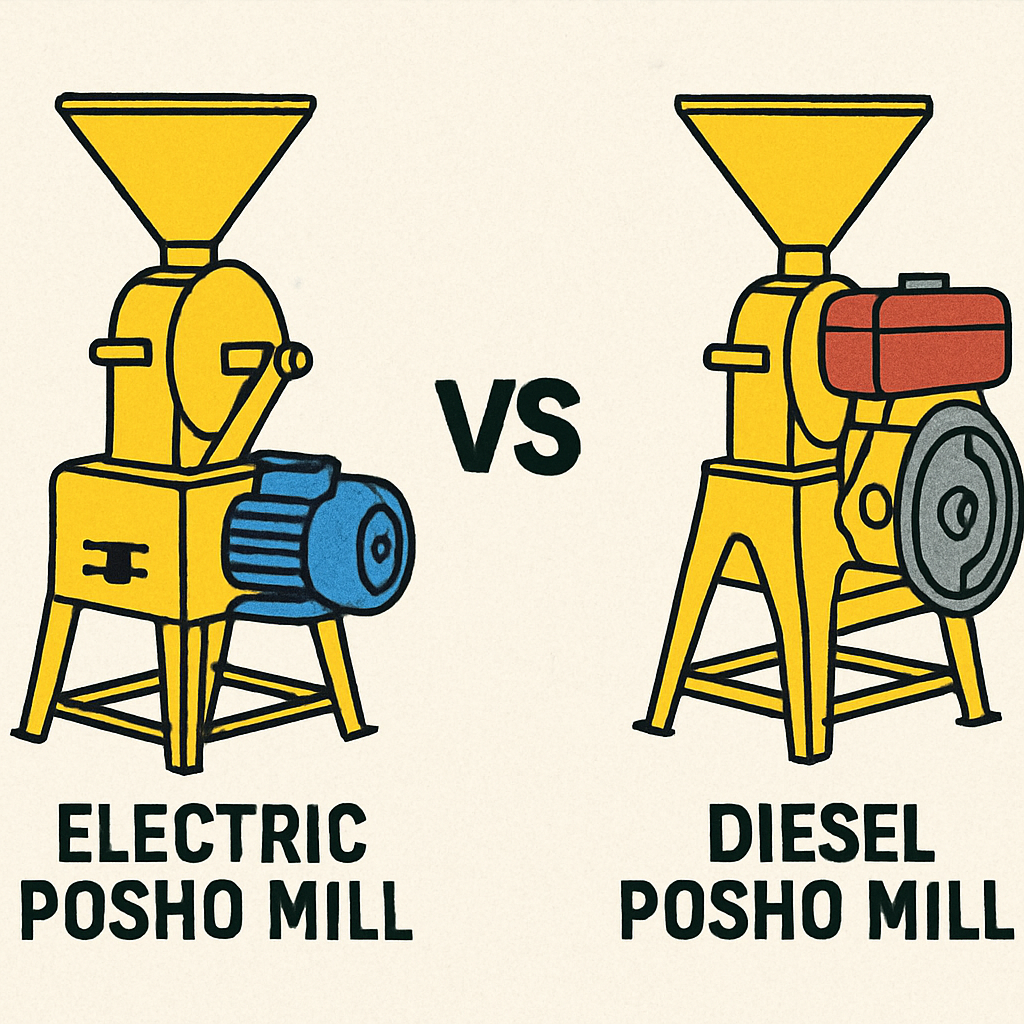 Types of PoshoMills
There are two main types of posho mills:
- Electric Posho Mills: These require electricity to operate and are typically faster and more efficient. They are ideal for areas with reliable electricity supply.
- Diesel Posho Mills: These do not rely on electricity and are powered by diesel engines. They are suitable for areas with inconsistent power supply.
Electric PoshoMills
Electric posho mills are known for their speed and efficiency, making them popular in urban areas with stable electricity. They can process large amounts of maize quickly, reducing wait times for customers. Additionally, electric mills often come with automated features, enhancing user convenience and reducing labor costs.
Diesel PoshoMills
Diesel posho mills are favored in regions where electricity is unreliable or unavailable. Their diesel engines are robust and can handle challenging conditions, making them suitable for rural settings. While they might incur higher operational costs due to fuel, their reliability often justifies the expense in off-grid locations.
Hybrid PoshoMills
Emerging in the market are hybrid posho mills that offer flexibility by operating on both electricity and diesel. These models provide a versatile solution, allowing mill operators to switch between power sources as needed. Hybrid mills offer the best of both worlds, ensuring continuous operation regardless of power supply issues.
Why Choose Natasha PoshoMills?
Natasha posho mills have established a reputation for quality and durability. Manufactured in Kenya, these mills are designed to handle the local conditions and demands. Here are some reasons why Natasha posho mills are preferred:
- Durability: Made with high-quality materials, Natasha posho mills are built to last, ensuring long-term use with minimal maintenance.
- Efficiency: They provide a high output, making them suitable for both small and large-scale milling.
- Ease of Use: With straightforward operation, users can quickly learn to operate the mills without extensive training.
- Support and Spare Parts: Natasha offers excellent customer support and easy access to spare parts, which is crucial for long-term operation.
Durability and Build Quality
The durability of Natasha posho mills is unmatched, thanks to their superior build quality. These machines are constructed using robust materials that withstand the rigors of daily use. Their design incorporates features that minimize wear and tear, ensuring longevity and reliable performance over the years.
Efficiency and Performance
Natasha posho mills stand out for their remarkable efficiency and performance. They are engineered to maximize output while minimizing energy consumption. This balance of power and efficiency makes them ideal for both small-scale entrepreneurs and large milling operations looking to optimize productivity.
User-Friendly Operation
Operating a Natasha posho mill requires minimal training, thanks to its intuitive design. The controls are straightforward, allowing even first-time users to operate the machine confidently. This user-friendly aspect is particularly beneficial for community-based milling operations where multiple users may share the equipment.
Support and After-Sales Service
Natasha posho mills come with robust support and after-sales service, ensuring users get the assistance they need. The availability of spare parts and professional maintenance services further enhances the longevity of the mills. This commitment to customer satisfaction has made Natasha a trusted brand in the posho mill industry.
Natasha Posho Mill Prices in Nakuru
When considering the purchase of a Natasha posho mill in Nakuru, the price is a significant factor. Prices can vary based on several factors, including the type of mill, capacity, and additional features. Here’s a general guide:
Price Range
- Small-Scale Mills: These are suitable for household use or small businesses. Prices typically range from KES 60,000 to KES 150,000. They are compact and can handle moderate flour production.
- Medium-Scale Mills: Ideal for medium-sized businesses or cooperatives, these mills can cost between KES 150,000 and KES 300,000. They offer higher capacity and efficiency.
- Large-Scale Mills: For large operations or commercial use, prices can exceed KES 300,000. These mills are designed for high output and can handle continuous operation.
Small-Scale Mills
Small-scale Natasha posho mills are perfect for individuals or small businesses looking to serve a local market. These mills are compact, easy to install, and require minimal space, making them ideal for home use. Despite their size, they deliver efficient milling with consistent quality.
Medium-Scale Mills
Medium-scale mills cater to businesses with moderate demand, such as cooperatives or community milling projects. They strike a balance between capacity and cost, offering higher output without compromising on quality. These mills are versatile, capable of handling various types of maize and adjusting to different milling needs.
Large-Scale Mills
Large-scale Natasha posho mills are engineered for high-demand environments, such as commercial milling operations. They boast advanced features that support continuous production, making them suitable for large-scale flour production. Their robust construction ensures they can handle the demands of extensive, round-the-clock use.
 Factors Influencing Prices
Several factors can influence the price of a Natasha posho mill in Nakuru:
- Capacity: Larger mills with higher output capacities generally cost more.
- Power Source: Diesel-powered mills might be more expensive due to the engine’s cost, but they offer the advantage of operating in areas without electricity.
- Features: Additional features such as automated feeding systems or advanced control panels can increase the price.
- Supplier: Prices may vary between suppliers, so it’s beneficial to compare options and seek recommendations.
Capacity and Output
The capacity of a posho mill directly influences its price. Mills with higher output capacities are typically more expensive due to the increased power and efficiency they offer. Buyers should consider their production needs and choose a mill that aligns with their output requirements.
Power Source Considerations
The choice between electric and diesel power sources affects both the initial purchase price and ongoing operational costs. While diesel mills may have a higher initial cost, they provide greater flexibility in areas with unreliable electricity. Electric mills, on the other hand, offer cost savings in regions with stable power supply.
Additional Features and Enhancements
Modern posho mills come with a variety of features that can enhance performance and user convenience. Automated feeding systems, digital control panels, and safety features are common upgrades that can increase the overall cost. Buyers should assess the value of these features based on their specific needs and budget.
Supplier Variability
Prices can vary significantly between suppliers due to factors like location, brand reputation, and after-sales support. Prospective buyers should research different suppliers to find competitive pricing and reliable service. Seeking recommendations from other mill owners can provide valuable insights into the best purchasing options.
Where to Buy Natasha Posho Mills in Nakuru
Finding a reliable supplier is crucial when purchasing a posho mill. Here are some tips:
Sure! Here’s how you can incorporate that detail into your article:
Where to Buy Natasha Posho Mills in Nakuru
Finding a reliable supplier is crucial when purchasing a posho mill. For those looking to buy a Natasha posho mill in Nakuru, it’s highly recommended to visit https://nakurumachineryfabricators.co.ke/. They offer a range of options and provide excellent customer service, ensuring you find the right mill to meet your needs.
Feel free to let me know if you’d like more adjustments or additional sections to be added!
Maintaining Your Natasha Posho Mill
To ensure your mill operates efficiently and lasts for years, regular maintenance is key. Here are some tips:
- Regular Cleaning: After each use, clean the mill to prevent maize residue buildup, which can affect performance.
- Routine Checks: Regularly inspect parts for wear and tear. Replace any worn parts promptly to avoid more extensive damage.
- Lubrication: Keep moving parts well-lubricated to reduce friction and wear.
- Professional Servicing: Occasionally, have a professional service your mill to ensure it remains in top condition.
Regular Cleaning Practices
Regular cleaning of the posho mill is essential to maintain its efficiency and prevent contamination. After each milling session, it’s important to remove any maize residue and dust that may accumulate in the machine. Proper cleaning ensures the production of high-quality flour and prolongs the lifespan of the mill.
Routine Inspection and Parts Replacement
Routine inspections help identify potential issues before they escalate into major problems. Checking for signs of wear and tear, such as worn-out belts or damaged blades, is crucial. Prompt replacement of these parts can prevent further damage and ensure the mill operates smoothly.
Importance of Lubrication
Lubricating moving parts is vital to minimize friction and reduce wear. Regular lubrication of bearings, gears, and other components ensures the machine runs efficiently and quietly. Using the right type of lubricant is important, as it can significantly impact the performance and longevity of the mill.
Professional Servicing and Maintenance
Engaging a professional for periodic maintenance ensures that the posho mill remains in peak condition. Professionals can perform comprehensive checks, adjust settings, and address any underlying issues. Regular professional servicing not only enhances the machine’s performance but also extends its operational life.
Conclusion
Natasha posho mills are a valuable investment for anyone looking to enter the milling business or simply provide for their household needs. With their reputation for durability and efficiency, they offer great value for money. By understanding the factors affecting posho mill prices and knowing where to buy, you can make an informed decision that meets your needs and budget. Whether you’re a new entrepreneur or a seasoned business owner, a Natasha posho mill could be the key to your success in Nakuru.
Making an Informed Decision
Understanding the various aspects of posho mills, from types and features to maintenance and purchasing options, empowers buyers to make informed decisions. Choosing the right mill involves balancing cost, efficiency, and long-term reliability to ensure a successful investment.
Embracing the Benefits of Natasha Posho Mills
By opting for Natasha posho mills, buyers gain access to reliable and high-performing equipment that supports their milling needs. The brand’s commitment to quality and customer satisfaction makes it a preferred choice for many in Nakuru and beyond.
The Path to Success in Milling
For entrepreneurs and businesses in Nakuru, investing in a Natasha posho mill opens the door to new opportunities. With the right equipment, proper maintenance, and strategic market positioning, milling can be a lucrative venture that contributes to community development and economic growth.